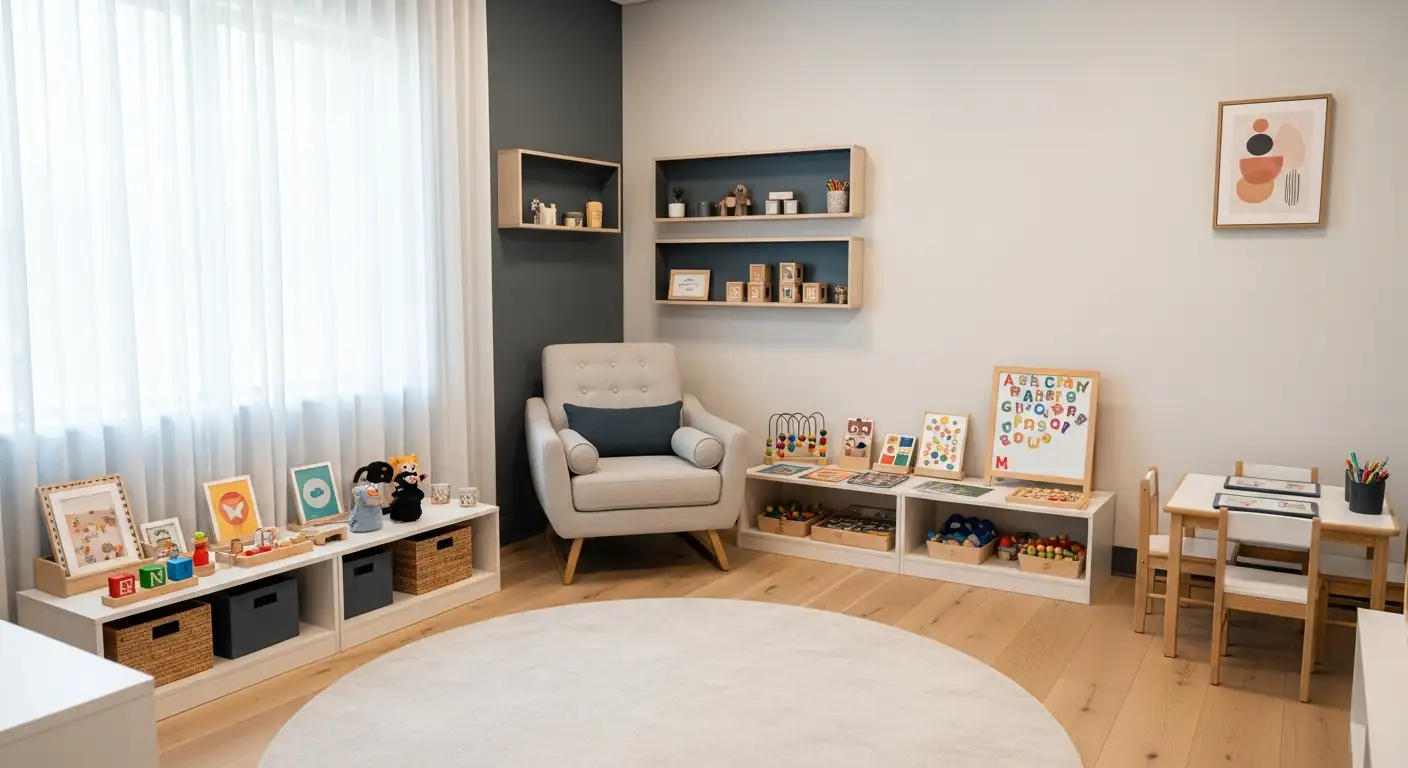
Introduction to Therapy's Role in Child Development
In today's complex world, fostering healthy relationships for children with both peers and adults is paramount. As children navigate their growth journey, therapy emerges as a vital support system that enables them to build essential social and emotional skills. Through various therapeutic approaches, children can express their emotions better, improve their interaction skills, and ultimately thrive in academic and social spheres. This article delves into how therapy facilitates the development of healthy relationships for children, focusing on a variety of therapeutic methods tailored to meet the specific needs of children at different developmental stages.
The Critical Role of Therapy in Child Mental Health

What is the role of therapy in supporting children's mental health?
Therapy plays a vital role in supporting children's mental health by providing a safe space for them to express emotions and process their experiences. It helps children develop essential social-emotional skills, manage mental health conditions like anxiety and depression, and learn coping strategies for life's challenges.
Early intervention through therapy has shown significant benefits, particularly by preventing the escalation of problems. Timely support can mitigate issues in areas such as home life, school performance, and peer interactions, fostering healthy relationships.
Therapeutic methods and their benefits
Several therapeutic methods are employed, each with unique advantages:
- Behavior Therapy: This method focuses on teaching children effective strategies to manage their behavior, reinforcing positive actions while reducing negative behaviors.
- Cognitive-Behavioral Therapy (CBT): CBT aids children in recognizing and modifying distorted thoughts and emotions, promoting healthier interactions with peers and adults.
- Family Therapy: Involving family members can enhance communication, improve emotional intelligence, and address relational conflicts that influence children's behavior. Techniques like Functional Family Therapy can significantly improve family dynamics.
- Play Therapy: Especially beneficial for younger children, play therapy allows them to express emotions and process experiences through play, leading to improved emotional regulation and communication skills.
Impact of early intervention
Research indicates that therapy can effectively enhance children's emotional health and behavior. Family involvement in therapeutic processes is crucial, as it helps caregivers understand mental health conditions and supports children in forming healthy relationships. The cumulative effect of support from family, peers, and schools is critical, as those with strong support networks report better mental wellbeing. By integrating mental health support within educational environments, children can be better equipped to tackle challenges, promote resilience, and build lasting relationships.
The Value of Supportive Relationships in Child Development

Why are supportive relationships important for children's psychological development and wellbeing?
Supportive relationships are crucial for children's psychological development and overall wellbeing. These connections provide the emotional security necessary for healthy brain development and resilience. When children experience secure attachments with caregivers and peers, they gain confidence and learn essential social-emotional skills.
Additionally, supportive relationships foster a sense of safety, enabling children to explore their environment freely. This exploration is fundamental for learning and developing emotional regulation, which is key in navigating social interactions. The understanding and empathy gained through these relationships translate into better mental health outcomes as children grow.
Children who are nurtured within a supportive framework are better equipped to manage stress and face life's challenges. They are less likely to develop mental health problems as they learn coping strategies and resilience from their interactions.
Ultimately, children thrive in environments that validate their feelings and experiences. Supportive relationships ensure that they feel valued, understood, and motivated, creating a strong foundation for their ongoing development and wellbeing.
Impact on psychological development
The role of peer support is particularly important in children's mental health. Research shows that children who benefit from strong peer networks experience protective effects, compensating for potential deficits in family or adult support.
An enriching social environment cultivates emotional intelligence and problem-solving skills. When children learn to build and maintain friendships, they enhance their capacity for empathy and communication.
Long-term wellbeing
The significance of these supportive relationships extends into adulthood. Children with healthy social connections tend to exhibit lower rates of anxiety, depression, and behavioral issues. As they transition into adolescents and adults, these early forms of support shape their interpersonal skills, influence career success, and inform parenting practices.
In summary, the intertwining factors of supportive relationships, psychological development, and long-term wellbeing underscore the vital importance of fostering healthy interactions from an early age.
Enhancing Family Dynamics Through Family Therapy

How can family therapy improve children's relationship dynamics?
Family therapy plays a crucial role in enhancing children's relationship dynamics by creating an environment where open communication can flourish. One of the primary methods therapists utilize is Functional Family Therapy, which targets family issues that affect children's behavior and relationships with peers. This method helps families recognize patterns of interaction that can be changed to foster healthier dynamics.
Techniques in family therapy
Some effective techniques employed in family therapy include:
- Multisystemic Therapy: This approach emphasizes the interconnectedness of various systems in a child's life, addressing issues from multiple perspectives including family, school, and community.
- Transgenerational Therapy: This method explores family histories and dynamics over generations, helping families understand inherited patterns that impact current relationships.
- Brief Strategic Family Therapy: This technique focuses on identifying specific problems within the family and implementing targeted strategies for change in a short amount of time.
Improving relationship dynamics
Through family therapy, children learn to express their feelings and understand others’ perspectives. The process reinforces mutual respect and encourages emotional intelligence, enabling family members to address conflicts constructively. By improving communication skills, families establish healthier dynamics, making it easier for children to relate positively to peers and adults.
Tools for family interaction
Family counseling provides valuable tools for enhancing interaction, such as shared activities and open discussions, which help family members reinforce their bond. Parents are taught to recognize signs of distress in their children and offered strategies to support them effectively. These interventions ensure that family relationships are nurtured, enabling children to develop resilience against adversities that might harm their mental wellbeing.
Overall, family therapy serves as a vehicle for teaching foundational relationship skills and establishing a supportive environment, essential for children’s emotional growth and social development.
Strategies in Therapy Supporting Social Development in Children

What strategies and approaches are effective in supporting children's social development through therapy?
Effective strategies for supporting children's social development through therapy encompass a range of techniques tailored to each child's unique needs. One of the key methods is play therapy, which utilizes play as a natural mode of expression for children. This approach fosters emotional regulation, communication skills, and creativity, allowing children to act out feelings and scenarios that facilitate understanding and processing of social experiences.
Another valuable approach is cognitive-behavioral therapy (CBT). This strategy helps children identify and alter distorted beliefs and emotions, which can heavily influence their behavior and relationships. By restructuring harmful thought patterns, children learn to develop positive relationships with peers and adults, enhancing their self-esteem and social skills.
Play Therapy: A Key Approach
- Emotional Expression: Through play, children express their emotions, leading to improved communication and relationship-building.
- Social Skills Development: Play therapy encourages children to practice turn-taking, sharing, and empathy—crucial elements for successful interactions with others.
- Safe Environment: The therapeutic relationship provides a secure space for children to explore and address their challenges without judgment.
Cognitive-Behavioral Techniques
- Skill Development: CBT techniques are often integrated to teach children problem-solving and coping strategies, aiding in better emotional responses.
- Social Stories: These tools offer children a structured way to understand social scenarios, promoting self-regulation and easing anxiety in social settings.
- Group Therapy: Engaging in group therapy settings helps children practice cooperation and conflict resolution, essential for building friendships.
Utilizing these strategies, therapists create a structured and supportive environment that significantly enhances children's ability to interact positively with peers and adults, laying the foundation for healthy relationships.
Exploring Varied Therapeutic Approaches and Their Impacts
How do various therapeutic approaches impact children's ability to form positive connections with peers and adults?
Different therapeutic approaches offer essential support for children in developing the skills needed to build positive connections with peers and adults. Psychological therapies like behavior therapy and cognitive-behavioral therapy (CBT) teach children effective communication and emotional regulation. By reinforcing positive behaviors and helping children challenge distorted thoughts, these therapies directly influence how they interact with others.
For instance, play therapy uses playful engagement to enhance emotional expression and problem-solving abilities. This method assists children in articulating feelings and fears that they might not express verbally. Improved self-awareness and empathy result from such engagements, which are crucial for forming healthy relationships.
Additionally, family therapy involves parents and caregivers, encouraging a supportive environment. Parents learn about mental health conditions and how to reinforce positive behavior, which nurtures healthier relationships within the family. When families understand and work through their dynamics, it benefits children's ability to interact positively with peers and adults.
Therapies create a strong avenue for children to develop socio-emotional skills. As they navigate and express their thoughts and feelings in therapy, children build confidence and coping strategies, paving the way for stronger interpersonal relationships in various settings.
The Power of Play Therapy in Emotional and Social Skills Development

Benefits of play therapy
Play therapy offers multiple benefits for children's emotional and social development. Research indicates that it significantly reduces symptoms of anxiety, improves behavior, and aids in coping with stress. Notably, children learn essential coping strategies and social skills through this form of therapy, which establishes a strong foundation for healthy relationships later in life.
Emotional expression through play
One of the critical ways play therapy fosters emotional expression is by creating a safe environment for children to articulate their feelings through play. For many children, especially those aged 3-12, verbal communication of emotions can be challenging. In play therapy, children can explore their concerns and fears in a context that feels natural and engaging. This indirect communication allows therapists to observe and address underlying emotional issues effectively.
Interpersonal skill enhancement
In addition to emotional expression, play therapy enhances interpersonal skills. Children develop empathy, learn to reciprocate feelings, and understand social cues during play sessions. As they interact with the therapist and potentially other children, they gain valuable experience in navigating relationships. Moreover, involving parents in play therapy sessions further reinforces these skills at home, creating a richer learning experience.
| Aspect | Impact of Play Therapy | Additional Notes |
|---|---|---|
| Emotional Regulation | Reduces anxiety and emotional difficulties | Supports healthy emotional expression |
| Communication Skills | Enhances verbal and non-verbal communication | Vital for relationship-building |
| Social Skills | Teaches empathy, cooperation, and conflict resolution | Essential for peer interactions |
| Parental Involvement | Strengthens skills learned in therapy | Promotes cohesion and understanding |
| Long-term Outcomes | Improved behavior and emotional wellbeing | Fosters resilience in relationships |
Play therapy, with its evidence-based approach, showcases how crucial emotional expression and relationship skills are for children, directly supporting their development and preparing them for healthy interactions with peers and adults.
Mechanisms of Therapy in Navigating Social Scenarios
What therapeutic mechanisms assist children in navigating social situations and improving emotional regulation?
Therapeutic mechanisms like social skills training, emotional coaching, and mindfulness exercises are essential for helping children navigate complex social interactions and enhance emotional regulation. These approaches empower children to identify and articulate their emotions, significantly improving their ability to manage feelings and respond appropriately in social settings.
Coregulation, which involves supportive interactions between parents and their children, also plays a pivotal role in developing emotional understanding and expression. Such interactions not only reinforce the emotional skills learned in therapy but also strengthen the parent-child relationship, vital for emotional growth.
Various structured programs, such as the Zones of Regulation and the Rochester Resilience Project, offer children tailored frameworks to improve their emotional awareness. These initiatives teach children to identify their emotions, apply coping strategies, and practice self-calming techniques, ultimately contributing to better emotional regulation.
Occupational therapy can further support children by focusing on sensory integration and problem-solving skills necessary for real-life social scenarios. This comprehensive support system fosters resilience and enhances children’s ability to communicate and connect positively with peers and adults.
| Mechanism | Description | Impact on Social Skills |
|---|---|---|
| Social Skills Training | Teaches effective communication and interaction strategies | Improves peer relationships |
| Emotional Coaching | Helps children understand and express their feelings | Enhances emotional expression |
| Mindfulness Exercises | Promotes self-awareness and relaxation | Reduces anxiety in social situations |
| Coregulation | Supportive interactions between parents and children | Builds trust and emotional attachment |
| Occupational Therapy | Focuses on sensory integration and real-life problem-solving | Aids in social adaptation and resilience |
Parental Involvement and Its Impact on Therapy Outcomes
Role of parents in therapy
Parent involvement plays a critical role in the therapeutic process for children. Therapists often integrate parents into sessions, recognizing their influence on children's ability to form healthy relationships both at home and within peer groups. By including parents in therapy, therapists can help improve communication and facilitate a better understanding of the child's behavioral and emotional needs.
Enhancing therapy effectiveness
Involving parents enhances the efficacy of psychological interventions. Parents become equipped with strategies and insights to reinforce positive behaviors and manage challenges outside of therapy. The collaborative environment nurtured by involving caregivers can lead to significant advancements in the child's emotional health and behavioral outcomes.
Communication and understanding
Effective communication is crucial in therapy settings. Parents who participate actively in therapy sessions find that they can foster a deeper bond with their children, leading to improved emotional expression and understanding. This supportive relationship not only aids in the child's healing process but also equips them with relational skills that are vital for forming connections with peers and adults.
Creating Safe Spaces: The Role of Therapy in Early Childhood
Importance of Early Intervention
Early intervention for children's mental health can have a profound impact on their overall well-being. Timely therapy not only addresses issues but also reduces problems in home life, school, and peer relationships. Effective psychological therapies, such as behavior therapy and cognitive-behavioral therapy, focus on improving children's interactions with adults and peers, forming the bedrock for healthy relationships.
Developing Fundamental Relational Skills
Children learn crucial relationship skills during early childhood through engagement in therapeutic environments. Teaching toddlers to take turns and share helps develop empathy and cooperation, foundational for future friendships. Play therapy is particularly beneficial as it allows young children (ages 3-12) to express emotions, explore feelings, and modify behaviors in a safe context, fostering vital social skills.
Using Therapy to Address Early Challenges
Therapists play a pivotal role in guiding parents and caregivers to become actively involved in their child's therapy. Family therapy, for instance, enhances communication and understanding among family members, thereby improving relational dynamics. Interventions also focus on addressing behavioral conditions, helping children learn coping strategies and social skills essential for navigating peer relationships.
| Therapy Type | Age Group | Focus Area |
|---|---|---|
| Play Therapy | 3-5 years old | Emotional expression and social skills development |
| Cognitive-Behavioral Therapy | 6-12 years old | Problem-solving and self-esteem building |
| Dialectical Behavior Therapy | 13-18 years old | Self-identity and relationship building |
Therapy as a Foundation for Lifelong Healthy Relationships
Therapy stands out as a pivotal force in aiding children to construct a foundation for healthy relationships with peers and adults. Through various approaches tailored to individual developmental needs, therapy not only addresses emotional and behavioral challenges but also encourages children to express themselves and navigate social dynamics more effectively. By instilling key skills and fostering supportive environments, therapy not only prepares children for current relational interactions but also equips them further to face future challenges. As we recognize the profound effect of therapy on children's development, it is crucial to ensure adequate access and integration into daily life for lasting positive outcomes.
References
- Treating Children's Mental Health with Therapy
- Family Therapy: What It Is, Techniques & Types
- How to help kids navigate friendships and peer relationships
- Play Therapy: What Is It, How It Works, and Techniques
- Therapy for Kids: 5 Signs Your Child May Benefit from ...
- An Overview of Play Therapy - PMC
- How Kids and Teens can Form Healthy Peer Relationships
- Play Therapy Makes a Difference
- Benefits of Family Counseling and How It Works
- The Contributing Role of Family, School, and Peer ...