Understanding Sensory Integration Therapy
Sensory Integration Therapy (SIT) has emerged as a critical intervention in improving the sensory and behavioral challenges faced by many children with autism. With up to 95% of autistic children experiencing sensory processing difficulties, SIT addresses these core issues by helping children better process sensory information, ultimately enhancing their daily functioning and quality of life. This article explores the principles behind Sensory Integration Therapy, its role in addressing sensory challenges, and how it complements other approaches such as Applied Behavior Analysis (ABA) therapy.
What is Sensory Integration Therapy and How Does It Work?
What is Sensory Integration Therapy?
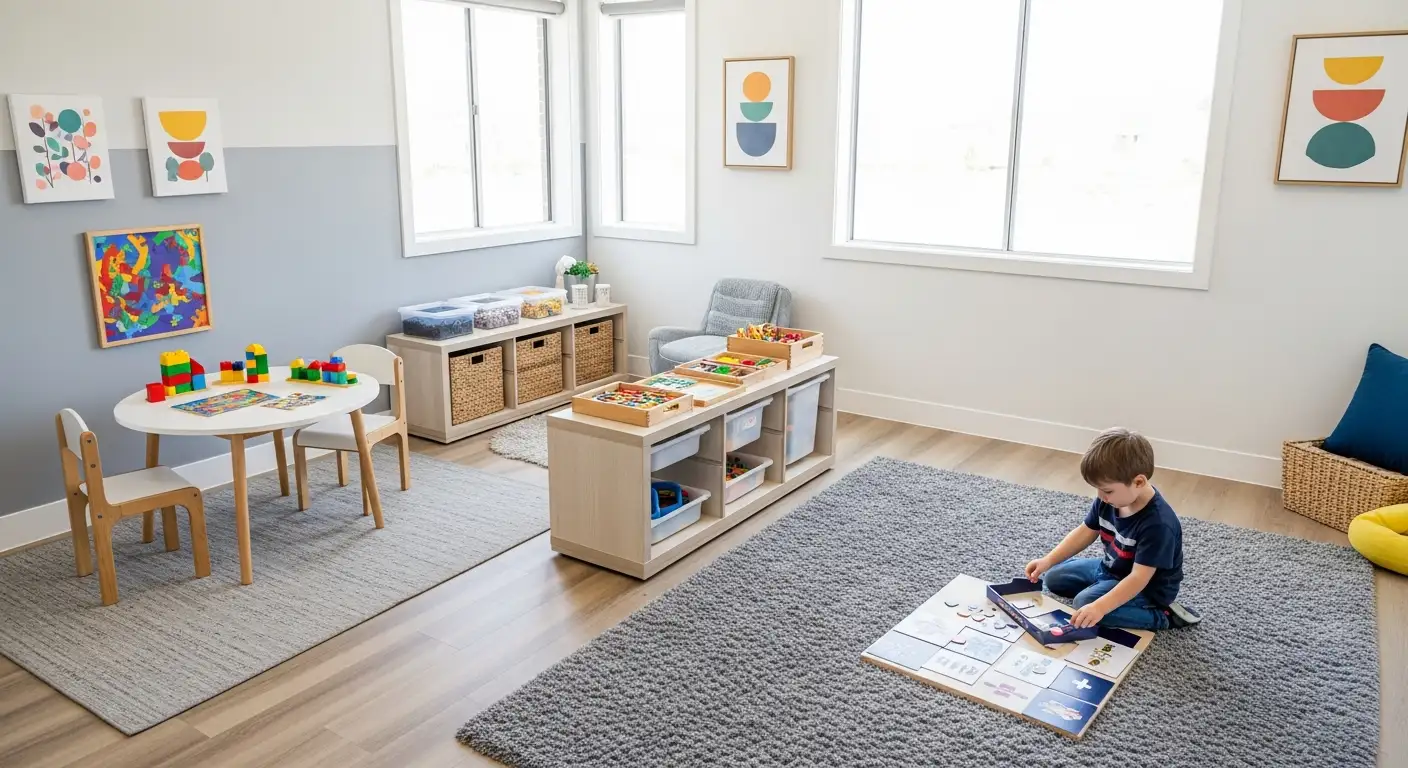
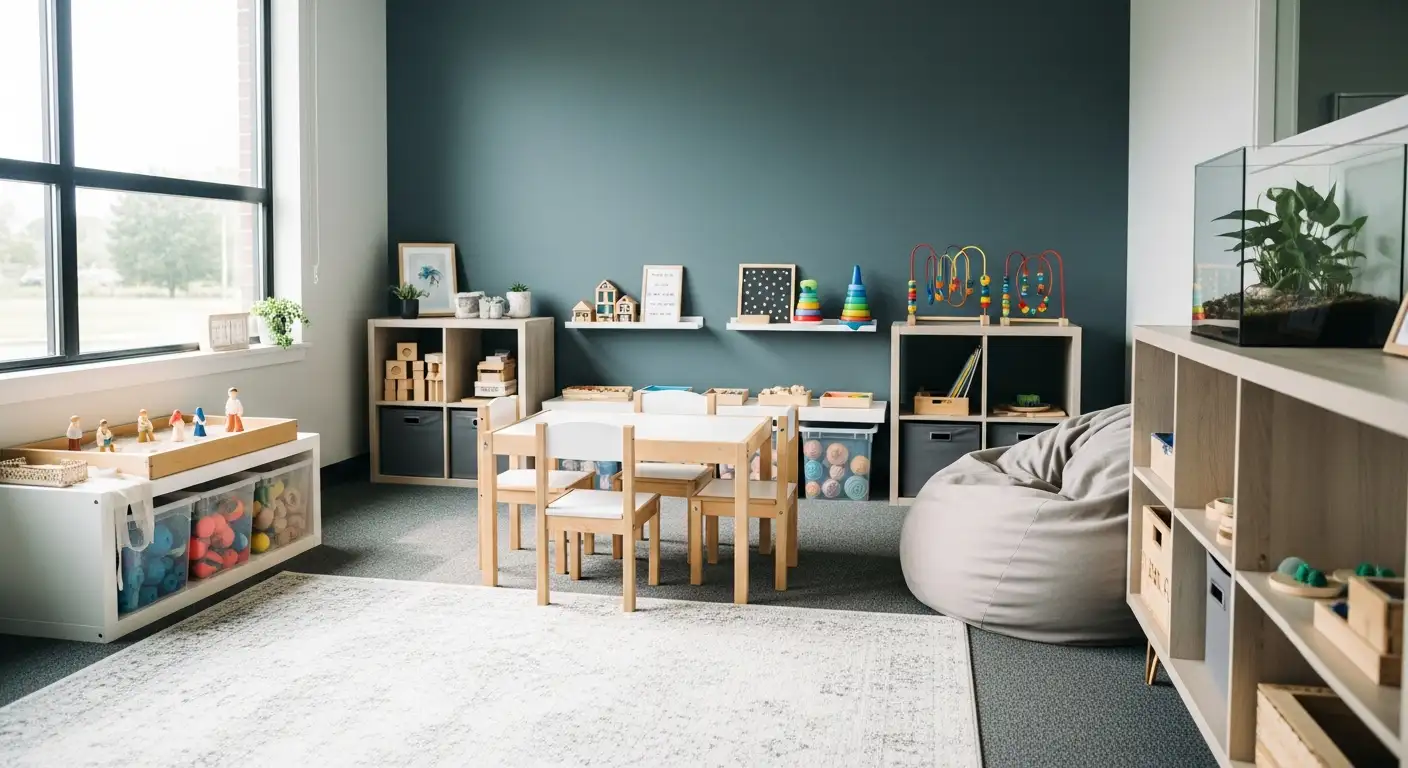
Sensory Integration Therapy (SIT) is a specialized, play-based intervention aimed at helping children, particularly those with autism, who experience difficulties in processing sensory information. Rooted in occupational therapy, SIT involves the child actively participating in sensory-motor activities that challenge and support their ability to interpret various sensory inputs.
Role of Sensory-Motor Activities
The therapy focuses on sensory inputs such as touch (tactile), balance and movement (vestibular), and body position (proprioceptive) senses. These activities are designed to stimulate and improve how the brain organizes and responds to sensory information, which can lead to better motor coordination and behavioral regulation.
Play-Based Intervention
One of the hallmarks of SIT is its reliance on play. Play not only engages children in a natural and enjoyable way but also facilitates learning and adaptation within a safe, supportive environment. This play-based approach helps children develop skills by exploring sensory experiences through fun, structured activities.
Collaborative Therapist-Child Relationship
A defining feature of SIT is the collaborative relationship between the therapist and child. Therapists tailor interventions to each child's unique needs while fostering a supportive, trusting partnership. This relationship ensures that therapy follows fidelity principles, meaning it is administered as intended to achieve the best outcomes.
Neurobiological Basis of Sensory Integration
Sensory integration itself is an innate neurobiological process where the brain receives, sorts, and interprets sensory stimuli from the environment. Efficient integration allows children to respond appropriately to sensory input. When this process is impaired, children may show behaviors such as irritability, withdrawal, or hyperactivity. SIT targets these underlying sensory-motor impairments to help children better manage their sensory experiences and improve daily functioning.
The Impact of Sensory Processing Difficulties in Autism
How common are sensory processing difficulties in children with autism?
Approximately 90-95% of children with autism experience sensory processing difficulties. This high prevalence highlights the importance of understanding and addressing these challenges to improve children's quality of life.
What behaviors are linked to sensory dysfunction?
Sensory integration dysfunction can lead to a variety of behaviors often seen in children with autism. Typical behaviors include repetitive movements such as rocking, spinning, and hand-flapping, as well as signs of irritability and distractibility. These behaviors reflect the child's discomfort or difficulty in processing sensory inputs effectively.
What is sensory over- and under-responsivity?
Children with sensory integration issues may be over-responsive or under-responsive to sensory stimuli. Over-responsivity means being hypersensitive to stimuli such as touch, sound, or movement, which can result in withdrawal, irritability, or hyperactivity. Conversely, under-responsivity involves diminished reaction to sensory inputs, leading to hypoactivity or reduced awareness of surroundings.
How do sensory processing difficulties affect social and behavioral challenges?
The sensory processing difficulties faced by children with autism significantly contribute to social and behavioral challenges. Difficulty in processing sensory information can heighten anxiety, hinder communication, and make social engagement more difficult. These challenges may increase maladaptive behaviors, impact adaptive responses, and complicate participation in daily activities.
By recognizing the prevalence and impact of sensory processing difficulties, caregivers and therapists can tailor interventions such as Sensory Integration Therapy and ABA to better support children with autism in managing these challenges.
Clinical Evidence Supporting Sensory Integration Therapy
What does research say about the effectiveness of Sensory Integration Therapy?
Research studies have explored the impact of Sensory Integration Therapy (SIT) on children with autism, focusing on behavioral improvements and adaptive functioning. A notable investigation involved 32 children aged 4 to 8, who received either usual care alone or in combination with SIT. After 10 weeks of therapy—administered at three hours per week alongside standard treatments—children undergoing SIT showed significant progress in achieving their individual goals. Additionally, they required less assistance in self-care and social situations, indicating greater independence.
How consistent and reliable is the current evidence?
While positive outcomes have been reported, the overall evidence base has limitations. Many studies have small sample sizes, which can restrict the generalizability of findings. Furthermore, there is considerable variability in how SIT is delivered across protocols, raising challenges in comparing results. Another major issue is the lack of comprehensive long-term follow-up, making it difficult to determine sustained benefits over time.
What are notable ongoing trials evaluating SIT?
The SenITA trial, a recent randomized controlled trial in the UK, represents a significant advancement in studying SIT. This manualized trial assesses the effectiveness and cost-effectiveness of Ayres Sensory Integration® therapy with a rigorous design. Evaluations include behavioral problems, adaptive skills, socialization, carer stress, and quality of life, with follow-up periods extending to 6 and 12 months after treatment. The trial’s comprehensive approach aims to address previous methodological concerns and provide clearer guidance on the use of SIT for children with autism.
Core Therapeutic Elements of Sensory Integration Therapy
What are the core activities in sensory integration therapy?
Sensory Integration Therapy (SIT) is primarily play-based, engaging children in sensory-motor activities designed to stimulate and improve neural processing. Therapy sessions involve active, enjoyable play that targets how children respond to sensory inputs. This approach supports the brain’s natural ability to integrate sensory information effectively.
Which senses does SIT focus on?
The therapy mainly targets the tactile (touch), vestibular (balance and movement), and proprioceptive (body position) senses. These sensory systems are fundamental for survival and for developing appropriate responses to the environment. By focusing on these areas, SIT aims to help children interpret and react to sensory stimuli more adaptively.
How does SIT modulate sensory inputs?
Therapists use structured, graded sensory experiences to help regulate a child's over- or under-responsiveness to sensory stimuli. This modulation reduces behaviors linked to sensory dysfunction such as irritability, withdrawal, or exaggerated movements. The goal is to foster more organized and controlled responses to daily sensory experiences.
What improvements does SIT aim to achieve?
By improving sensory processing, SIT enhances motor coordination and behavioral regulation. Children often show better self-care skills, social interactions, and goal attainment after therapy. These changes help children function more comfortably and effectively in everyday situations.
What is the role of occupational and physical therapists?
Occupational and physical therapists trained in SIT evaluate children's sensory processing and design individualized interventions. They guide therapy sessions, ensuring activities follow established fidelity principles that support proper delivery. Their expertise helps organize the central nervous system’s response to sensory inputs, providing children with tailored support to manage sensory challenges.
Applied Behavior Analysis Therapy: An Overview
What is Applied Behavior Analysis (ABA) therapy for autism?
Applied Behavior Analysis (ABA) therapy is a science-based approach that applies the principles of learning and behavior to help individuals with autism improve essential skills. It focuses on enhancing social interaction, communication, and daily living abilities by reinforcing positive behaviors and minimizing those that are challenging.
Principles of learning and behavior
ABA therapy utilizes techniques such as positive reinforcement, modeling, prompting, and task analysis. These methods encourage desirable behaviors through rewards and systematic teaching, enabling children to learn new skills effectively.
Customized treatment programs
Professionals, often Board Certified Behavior Analysts (BCBAs), tailor ABA programs to the individual needs of each child. This customization ensures that therapy targets specific challenges and goals relevant to the child's development.
Settings ABA is implemented in
ABA therapy is flexible and can be delivered across various environments, including homes, schools, and community settings. This versatility supports the child's learning in natural contexts and promotes generalization of skills.
Scientific validation of ABA effectiveness
ABA is widely recognized as an evidence-based best practice for autism treatment. Extensive research supports its effectiveness in improving communication, social skills, and behavioral regulation for children on the autism spectrum.
Providers and Implementation of ABA Therapy
Who typically provides ABA therapy for individuals with autism?
ABA therapy is commonly delivered by trained and licensed professionals specializing in applied behavior analysis. The principal providers include Board Certified Behavior Analysts (BCBAs), who are responsible for designing, overseeing, and adjusting individualized treatment plans tailored to each child's unique needs.
Registered Behavior Technicians (RBTs) work closely with children on a daily basis, delivering the therapy directly under BCBA supervision. This tiered approach ensures consistent, evidence-based interventions.
ABA therapy is administered across multiple settings such as healthcare clinics, schools, and dedicated autism treatment centers to provide accessibility and accommodate different family needs.
Roles of BCBAs and RBTs
| Role | Description | Key Responsibilities |
|---|---|---|
| Board Certified Behavior Analyst (BCBA) | Licensed behavior analysts who develop therapy protocols | Assessment, program design, staff supervision, data analysis |
| Registered Behavior Technician (RBT) | Trained technicians carrying out therapy sessions | Implementing behavior plans, collecting data, direct child engagement |
Settings and Organizations Providing ABA
ABA services are widely available within:
- Private and hospital-based clinics
- Public and private school programs
- Specialized autism centers
- Home-based care with professional oversight
These varied environments help tailor services to individual circumstances and maximize therapeutic benefits.
Family Involvement in Therapy
Families play a vital role in ABA therapy success by:
- Learning behavioral strategies to reinforce progress at home
- Collaborating in setting goals with therapists
- Maintaining consistent routines and environments
Effective communication and partnership between therapists, parents, and educators promote greater consistency and generalization of skills. This collaborative approach enhances therapy outcomes, empowering children to manage sensory sensitivities and improve social and communication skills.
How ABA Therapy Benefits Children with Autism
How does ABA therapy benefit individuals with autism?
Applied Behavior Analysis (ABA) therapy offers substantial benefits for children with autism by systematically increasing helpful behaviors such as communication, social skills, and daily living abilities. By focusing on these areas, ABA helps children develop stronger emotional regulation and social engagement, enabling them to better express their needs and participate in group activities.
One of the main goals of ABA is to reduce problematic behaviors linked to sensory overload and environmental triggers. Therapists utilize strategies like sensory breaks, desensitization, and positive reinforcement to help children manage overwhelming stimuli such as bright lights or loud noises. This reduces maladaptive behaviors and teaches effective coping mechanisms for sensory challenges.
Early and intensive intervention through ABA has been proven to produce significant developmental gains in language, cognition, and adaptive functioning. Customized treatment plans, based on ongoing assessments, ensure therapy addresses each child's unique needs. This tailored approach maximizes developmental progress and supports greater independence.
Parent training is a vital component of ABA therapy. It empowers parents to observe sensory triggers and consistently apply ABA techniques at home, reinforcing skills learned during therapy sessions. Collaboration among therapists, parents, and educators enhances the child's overall support network, promoting continuity and success across settings.
These combined efforts make ABA a powerful tool to improve communication, social skills, daily living, and behavioral regulation in children with autism.
Techniques Commonly Employed in ABA Therapy for Sensory Challenges
What techniques are commonly used in ABA therapy for autism?
Applied Behavior Analysis (ABA) therapy incorporates several targeted techniques to help children with autism manage sensory challenges effectively. One foundational approach is positive reinforcement, which encourages desired behaviors by rewarding them, thereby increasing the likelihood they will be repeated.
Another core method is Discrete Trial Training (DTT), which breaks down complex skills into manageable, teachable steps. This structured approach helps children learn and master specific behaviors in a clear, consistent way.
To modify behaviors, therapists use Antecedent-Behavior-Consequence (ABC) analysis. This method examines what happens before and after a behavior to understand its causes and consequences, allowing for tailored interventions.
Behavior chaining is another technique where complex tasks are taught in sequences by connecting simpler behaviors. This gradual build-up supports children in gaining more complex skills needed for daily functioning.
For sensory-specific issues, ABA employs gradual sensory desensitization, involving controlled exposure to sensory stimuli to increase a child's tolerance over time. This helps children adapt to environments that might otherwise be overwhelming.
ABA therapy also focuses on social communication enhancement. Techniques include teaching children to recognize sensory triggers, express their needs effectively, and engage better in social settings, which improves both communication and social participation.
Together, these techniques provide a comprehensive framework that helps children with autism better regulate their sensory responses, reduce maladaptive behaviors, and build essential life skills. Consistent collaboration among therapists, parents, and educators further enhances the effectiveness of these interventions.
Integrating Sensory Integration and ABA Therapies for Holistic Support
How do Sensory Integration Therapy (SIT) and ABA therapy complement each other?
Sensory Integration Therapy (SIT) and Applied Behavior Analysis (ABA) serve complementary roles in supporting children with autism. SIT is focused on improving how the brain processes sensory inputs such as touch, sound, and movement by engaging children in play-based sensory-motor activities. Meanwhile, ABA therapy addresses behavioral responses to sensory sensitivities through structured techniques like desensitization and positive reinforcement. Together, SIT works on enhancing underlying sensory processing, and ABA helps children manage their reactions to sensory stimuli in practical settings.
How does ABA therapy address sensory sensitivities?
ABA therapy uses targeted behavioral strategies to help children cope with sensory overloads, such as aversions to bright lights or loud noises. Key interventions include sensory breaks, gradual exposure to sensory stimuli, and structured routines that promote emotional regulation and communication skills. By identifying sensory triggers, therapists can replace maladaptive behaviors with coping mechanisms, enhancing a child's ability to function socially and emotionally.
Why is collaboration among therapists, families, and educators important?
Successful intervention depends on consistent efforts across different environments. Therapists, parents, and educators must work collaboratively with shared goals to ensure strategies are effectively applied both in clinics and everyday life. Open communication allows for monitoring progress, adapting interventions, and reinforcing learning, providing continuity that is crucial to maximize therapeutic benefits.
How can consistent supportive environments be created?
Creating consistent supportive environments involves applying both SIT and ABA strategies seamlessly at home, school, and therapy sessions. Families and teachers can observe sensory triggers and implement recommended behavioral techniques, such as scheduled sensory breaks and positive reinforcement. This unified approach helps children generalize skills across contexts, reducing sensory distress and improving overall adaptive functioning.
Supporting Children Beyond the Clinic: The Role of Families and Educators
How Can Parents and Teachers Support Children Receiving Sensory Integration and ABA Therapies?
Parents and educators play an essential role in extending the benefits of Sensory Integration Therapy (SIT) and Applied Behavior Analysis (ABA) beyond clinical settings. Their involvement helps ensure that children with autism receive consistent support while navigating daily environments.
Why Is Observing Sensory Triggers Important?
Observing sensory triggers such as exposure to bright lights, loud noises, or tactile sensations enables parents and teachers to identify what stimulates over- or under-responsiveness. Recognizing these triggers is crucial for tailoring supportive strategies to the child's needs and preventing sensory overload.
How Can ABA Strategies and SIT Principles Be Applied at Home and School?
At home and in classrooms, applying ABA strategies involves offering sensory breaks, structured routines, and gradual exposure to sensory stimuli. Incorporating SIT principles means encouraging activities that promote organized sensory-motor responses, such as tactile play or movement-based tasks. Together, these approaches help children improve emotional regulation, communication, and social skills across settings.
What Is the Importance of Communication and Shared Goals Among Caregivers and Educators?
Clear communication and collaboration between therapists, families, and educators are pivotal for success. Sharing goals and observations ensures consistency in therapy application, reinforcing progress made during sessions. This cooperative approach creates a supportive environment that empowers children to better manage sensory challenges and develop necessary daily living skills.
The Path Forward for Children with Sensory Challenges
Sensory Integration Therapy serves as a vital tool in addressing the sensory processing difficulties prevalent among children with autism, enabling better sensory-motor integration and daily functioning. When combined with Applied Behavior Analysis therapy, which targets behavioral and communication skills through evidence-based techniques, children receive a comprehensive approach to overcome challenges and build independence. Continued research, such as large-scale trials like the SenITA study, alongside dedicated collaboration between therapists, families, and educators, holds promise for optimizing outcomes. By embracing these therapies together and fostering supportive environments, we can unlock the full potential of children facing sensory integration difficulties and enhance their path toward a more fulfilling life.
References
- Sensory integration therapy for children with autism ... - NCBI
- Study finds sensory integration therapy benefits children ...
- Sensory Integration in Autism Spectrum Disorders
- Can ABA Help with Sensory Issues? Discover the Benefits
- Applied Behavior Analysis (ABA)
- What Is Applied Behavior Analysis - Exploring ABA ...
- Applied Behavior Analysis and Communication Services
- Applied Behavior Analysis - Texas Health and Human Services
- Applied Behavior Analysis (ABA)
- ABA Techniques: Strategies for Behavior Analysts - GSEP Blog